Queue

Building Event-Driven Microservices - Chapter 2 - Event Driven Microservice Fundamentals

Building Event-Driven Microservices - Chapter 2 - Event Driven Microservice Fundamentals

Translations: RU

Introduction into Event-driven microservice (EDM) architecture consists of the following topics:

  • two topologies
  • content of events
  • three types of events
  • table-stream duality
  • schemas for defining event data
  • single writer principle
  • features of event broker
  • event broker vs message broker
  • single source of truth principle
  • scaling using containers and VMs
  • microservice taxes that we should pay

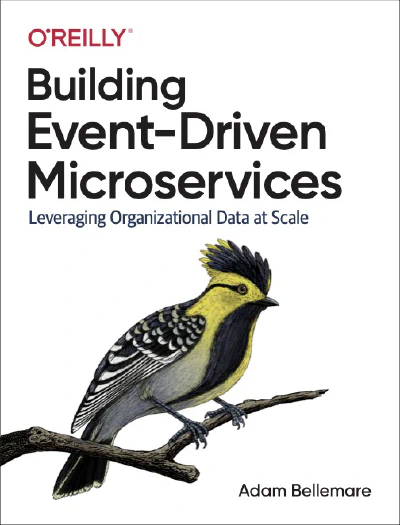
These topics are disclosed in the Chapter 2 of the book we are currently studying:
Clean Architecture - PART VI - Details

Clean Architecture - PART VI - Details

Translations: RU

The book club of our company has chosen a new wonderful book for reading:

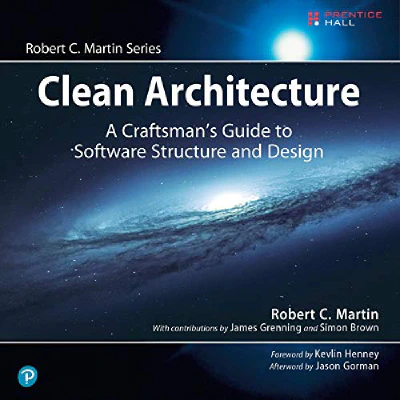
Robert Martin - Clean Architecture - a Craftsman’s Guide to Software Structure and Design

👍

The part VI undermines some foundations 😀:

  • Do you know that Database is a “detail”? An unimportant minor low-level non-essential feature that can be neglected in architecture design!
  • Do you know the same about the Web? It is just an unimportant IO device that should also be neglected in architecture design!
  • What about Frameworks? The same. Don’t marry your framework. Use safe and better remote sex. 🤣
  • There are several examples of how similar architectures may or may not lead to problems. And what to use to avoid problems (spoiler: Encapsulation)
  • All of the above, and a brief missing advice…

Great information! All the details are in my mind maps:

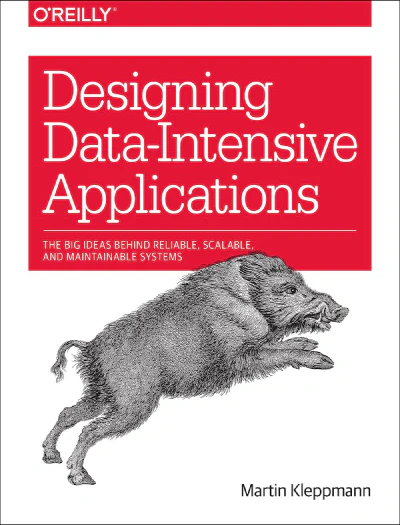
Designing Data-Intensive Applications - Chapter 11 - Stream Processing

Designing Data-Intensive Applications - Chapter 11 - Stream Processing

Translations: RU

Earlier the book club of our company has studied excellent book:

Martin Kleppmann - Designing Data-Intensive Applications

This is the best book I have read about building complex scalable software systems. 💪

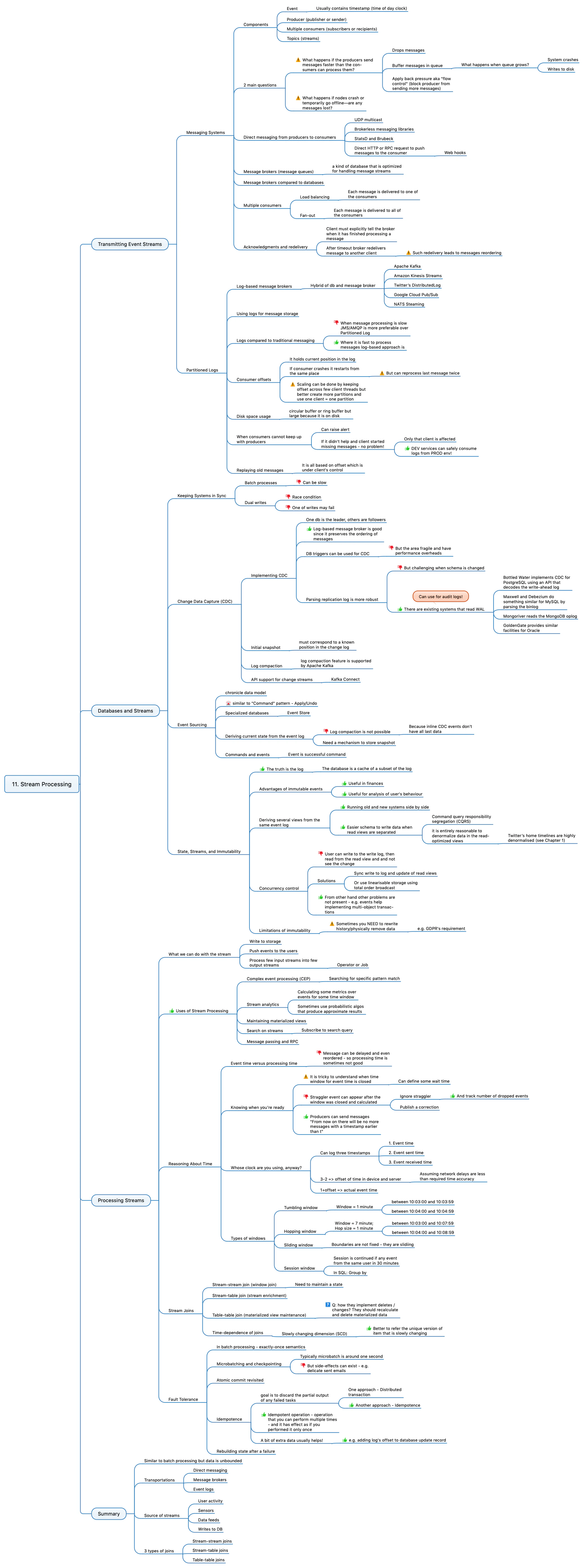
As usually I prepared an overview and mind-map.

Chapter 11 discovers all aspects about Stream Processing. If your system needs to process some data on-the-fly then your DEV team should learn this info.

  • Approaches for transmitting events: Direct messaging, Messaging Systems and Partitioned Logs. Their implementations, pros and cons.
  • How to use Streams for databases. Sync databases, Change Data Capture (CDC), Event Sourcing. State, Streams, and Immutability.
  • Nuances of Processing Streams. Useful use cases, reasoning about Time, 3 types of stream Joins, Fault Tolerance.

Download full mind map (PDF)